How to Inspire Children with Early Years Music
30th June 2026
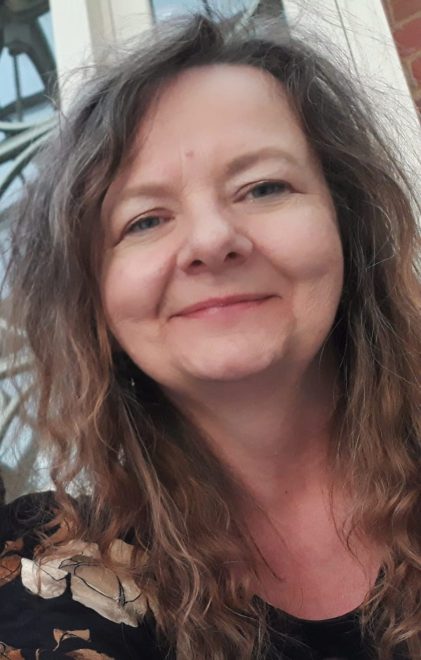 As part of our launch for the ‘Early Years | A Common Approach‘, Music Mark has worked closely with a number of Early Years music specialists to develop a programme of resources for music teachers who are starting to work with early years children for the first time. In this Q&A, Ju Birchall, a member of the Steering Group who worked to create this new area of the programme, shares insights from the development process and advice for using the resources in practice.
How did you come to be involved with the development of ‘Early Years | A Common Approach‘?
Leading music in Early Years is so joyful. It’s my favourite part of the week! As project manager I recently asked our team of ten deliverers individually and at different times for honest feedback to share with possible new recruits. The words playful, rewarding, special, magical, spontaneous, appropriate, child-centred and fun got several mentions. Actually, the word fun featured in every conversation!
Until April this year any music leader thinking about working with children aged 3-5 may have searched for the EYFS statutory guidance (Early Learning Goals). Nestled within the expressive arts section lie the following statements relating to young children who, at the expected levels of development should be able to:
- Sing a range of well-known nursery rhymes and songs.
- Perform songs, rhymes, poems and stories with others, and – when appropriate – try to move in time with music.
To be fair, that document was not created with us in mind, but we all know there is rather more to it!
So when the invite arrived to join a group of experts creating A Common Approach: Early Years, I did not hesitate. Early Childhood Music Education is a specialist area and deserves to be recognised as such. As a team, led by Catherine Brentnall we offered our passion, hundreds of years of experience and thousands of ideas. Everyone worked with enthusiasm and purpose, and speaking for myself, the added hope that this would help advocate for more music in EYFS and strengthen its position within the wider sector ~ so please do read on!
Share with us your thoughts about the resource and how it could be used.
A Common Approach is a comprehensive handbook of effective early years music practice, created primarily for music leaders but also useful for staff in schools and hubs. In my opinion, we have painted a true picture of what to expect given that every child is unique, every setting is different and every session is an opportunity.
The three distinct sections should help with planning, preparation and delivery:
- descriptors (learning objectives) reflect what children might naturally be doing at that age recognising the importance of small steps and repetition
- activities offer ideas contributed by the group
- additional info includes extra pointers to help with the what and why, highlighting the importance of reflection in practice
What would you say to any music leaders who are interested in finding out more about EYFS?
I am sure we would all say the same thing … go and see practitioners in action and have in mind a few things to focus on each time. One visit may not be enough! I always encourage my trainees to notice how leaders demonstrate playfulness, respond to children’s ideas in the moment, and move seamlessly from one activity to the next (no time to be scrabbling around looking for resources, everything needs to be organised and close-at-hand). Also to listen: how do they keep the flow of music going? What language is used and how much (or how little) explanation is necessary? And to observe and speak to the other adults in the room: they know the children best and are valuable partners in every session.
Reflect. Ask questions and as your confidence grows, join the circle and lead a piece of repertoire. Bear in mind that we EY leaders plan very thoroughly even though things can take unexpected turns, especially when following a child’s ideas!
We consider the shape of the session: the balance of sitting and then moving, the number, variety and pace of activities, the changes in mood and energy, when children are expected to sing / say/ play instruments as opposed to times when movement, listening, or other non-verbal participation is valued. The use of simple, age-appropriate repertoire and resources alongside clear routines can help children feel secure.
Long answer and there’s more! As I said, Early Years is a specialist area but in the first instance, that is what I would encourage people to do and to note, if possible!
Any other thoughts about the resource?
After much discussion regarding ages and stages and what exactly should be included we had to narrow it down to just adult-led music. We do all acknowledge that this is only part of the picture and that there is also a huge amount of child-initiated musicking / playing with sound going on all the time in Nursery and Reception and at home. Some members of the team myself included, use the phrase ‘music should be caught not taught’ (which I first heard from Linda Bance) but do not underestimate how much children at this age really do catch. They learn through play and when skilfully led will frequently surprise and delight!
I like the fact that the resource is honest noting that some children join in almost imperceptibly or not at all and may even walk away to try another activity. I’ve seen this, followed by a return to the group to promptly sing a solo at the same tempo and with accurate pitch-matching which presumably means that the music is still absorbed even from afar!
What do you personally enjoy most about teaching music in the early years?
The children of course, who are absolutely authentic in their responses, not least because their musical ideas are fabulous and their enthusiasm is infectious. Challenges do occur and on occasion, some might appear disengaged or distracted but look closely and you will find that often they are simply absorbed in something else e.g. looking at their own hand with total concentration and focus. Nursery and Reception age children are still experiencing things for the first time; such as playing a shaky egg / hearing the saxophone / singing a response alone, to an adult. It’s a privilege to be part of that.
And imagine how special it is when a teacher comes at the end of the session with tears in their eyes because a child who has not yet spoken in Nursery just started to sing, or someone who has been unsure finally joins the circle and performs an action. As we all know, music is totally inclusive and every child is valued for their contribution ~ from singing enthusiastically to simply beat-keeping with the tiniest of moves!
Being a music leader in Early Years is an energetic role but one that I find hugely rewarding. With A Common Approach for reference, now might be the perfect time to give it a go. You could find yourself saying it’s your favourite part of the week too!
About the Author:
Julia Birchall is a freelance music leader specialising in EYFS and KS1. In addition to her work with children, she regularly provides CPD in schools and settings, and longer-term training for colleagues on behalf of the Derby & Derbyshire Music Partnership. Ju has the Certificate for Music Educators, the British Kodaly Academy Early Years Foundation Level Certificate (High Distinction) and a BEd (Hons).