How can Making Music groups work with music educators?
10th November 2025
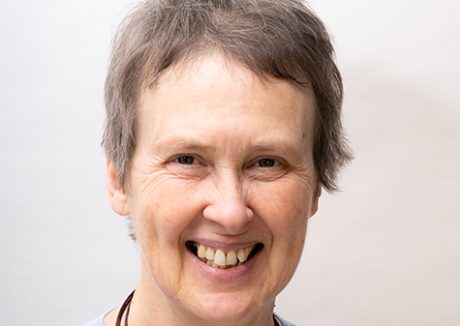 Making Music is the UK association for leisure-time music, with around 4,000 music groups in membership, comprising around 240,000 (mostly adult) hobby musicians. We spoke to Barbara Eifler, Chief Executive, to learn more about Making Music and how you can find groups in your area.
What do Making Music members do?
They are volunteer-run music groups rooted in the community and of an amazing variety: from community choir to amateur orchestra, choral society to concert band, glee club to ukulele or drumming group, samba or brass band, folk ensemble, Big Band, accordion orchestra, and more. And they are everywhere people live – if you overlay our membership map on a UK population map, you’ll see the same clusters.
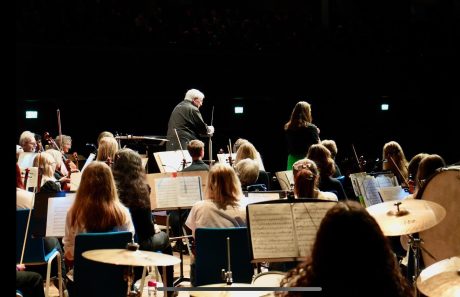 Groups offer adults – returners, those who have continued music-making from their school days or newbies – opportunities to learn, improve, play, sing, engage with their kind of music: whether pop, classical music, gospel, brass band or choral repertoire, jazz, folk music, or barbershop…, there is something for everyone.
Once someone has left school, accessing music learning can be expensive or difficult to find. Music groups provide informal and sometimes even formal learning for adults – for example reading music – as well as often lending instruments. Since taking up the trumpet, now cornet, 7 years ago, I have had just two formal lessons, and learnt everything else in brass band rehearsals.
Then there are groups’ performances: they may be invited by a local authority or a charity, to enhance events from Remembrance Sunday to village fetes and fundraisers, on bandstands or in town centre squares; and many groups promote their own concerts, in the local village hall or in a big city venue. In total, they give more than 21,000 concerts a year. They also organise over 6,000 other kinds of events, from workshops to Come and Sings, visits to care homes, schools, and more.
Why tell you about groups?
Perhaps I don’t need to…. Many of you are probably participants in such groups already!
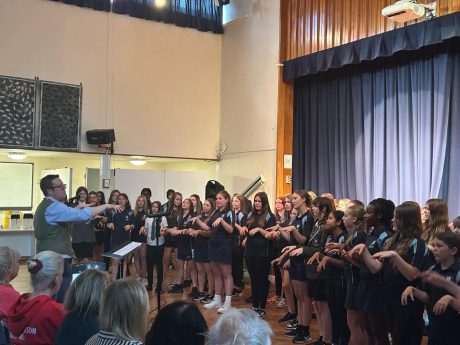
Photo credits: Alde Valley Academy
In case you aren’t, the participants in these groups might be the kids you taught music to 10, 30, or even 50 years ago and who didn’t become professionals. But they loved their music enough to carry on playing or singing in a leisure-time music group.
They represent the future for 95% of the young people you have in front of you now, who will not choose to make music their professional life. They are great role models: showing that music is for life, whatever your technical ability, whatever kind of music you love, and that it is for everyone. In our groups, barristers play alongside plumbers, teachers, paramedics, supermarket workers, CEOs, the unemployed, A-level students, and the retired.
Leisure-time musicians are passionate about music, about their groups, about how they have benefitted from this hobby over their lives in terms of social connection, health and well-being, and in their careers. Our recent survey, in support of the Association of British Orchestras’ #AnOrchestraInEverySchool campaign, found that only 8% had not used the skills learnt through music in their careers; 28% had applied them in STEM careers, and 50% in non-STEM careers. Transferable skills found useful by over 80% of the 1,000 respondents were practice and perseverance, focus and concentration, listening and auditory skills, and teamwork and collaboration.
Music groups offer….
- local performances to signpost or take your students to
- local performance opportunities for your school or hub, in groups or individually, to take part in
- the chance to find a group locally for that child who’d love a brass band, or a jazz band
- enthusiasts on your doorstep, willing to speak passionately about making music
- a resource to complement your offer to your young people. Could a section of the local orchestra come and demonstrate instruments? Play the compositions of your A-level students? Introduce sixth form to a cappella singing?
At Making Music, we know how important it is to members to engage with the next generation. We provide safeguarding policy templates, DBS checking, training, BOPA licensing, and include it in the insurance scheme which 93% of our members use. In our groups, young people are in safe hands.
You may also consider whether you have something useful to offer adults – many did not learn to read music, or have never had opportunities to get involved with singing or playing: can you open up affordable music theory lessons to them, or create an intergenerational choir or band? This may even generate you additional income.
How do I find a group?
We have a tool on our website called Find-a-Group! Search by postcode or location to get a list, or look at the map view.
For some inspiration, read about the opportunities Wolverhampton Symphony Orchestra offered to schools in collaboration with their music hub, or the Djanogly Community Orchestra.
 Good luck with your local groups!
Find out more about Making Music and contact us at info@makingmusic.org.uk